GPS for Oil & Gas
Tanker Fleets
Tanker GPS with ultrasonic fuel sensors, strict corridor compliance, and digital security for hazardous transport across Bangladesh. Prevent fuel pilferage, enforce driver safety, and maintain audit-ready trip records.
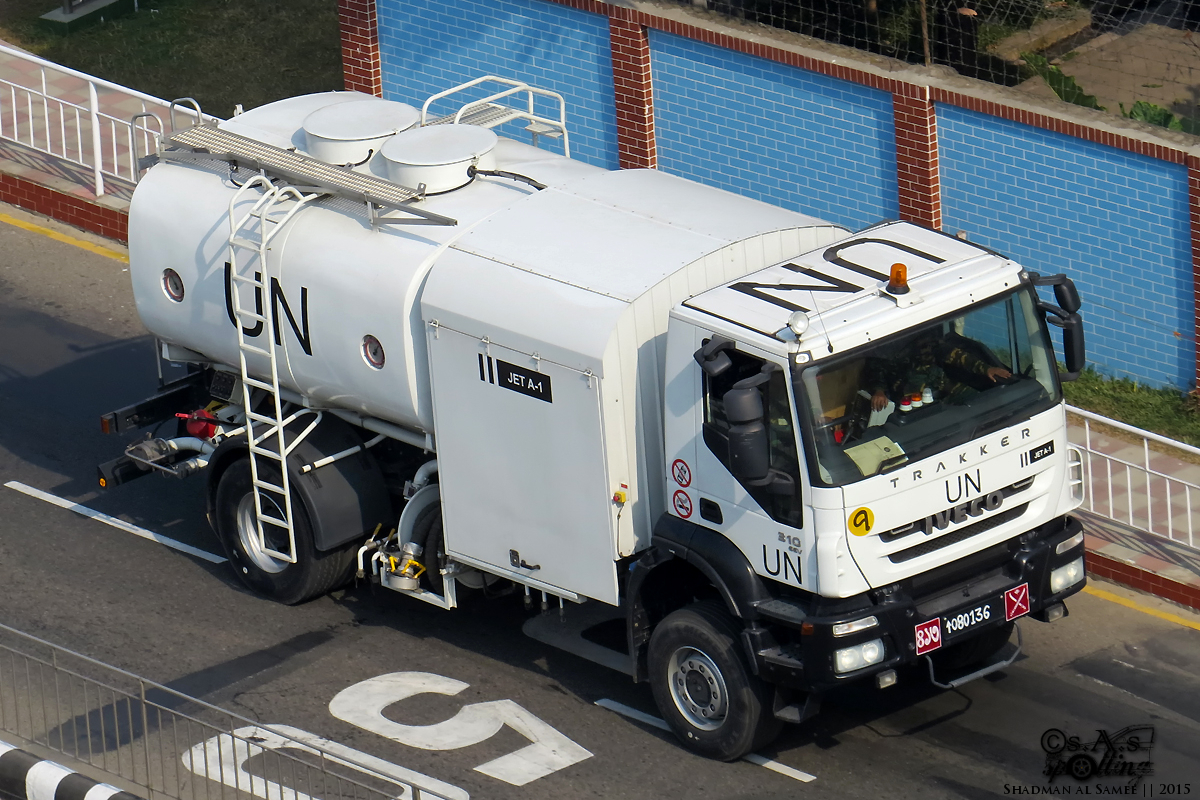
GPS Tracking for Oil & Gas
Monitor tankers, bulk carriers, and containers across the petroleum and hazardous material supply chain.
Technology that monitors vehicles via GPS, cellular 4G networks, and specialized sensors for real-time location and fuel telemetry.
Real-time corridor and route compliance monitoring using high-accuracy GNSS for strict hazardous transport safety.
Systems and processes that monitor tank volume, catch unauthorized drop-offs, validate refills, and prevent pilferage.
The oil, gas, and petrochemical sectors demand the highest standards of safety, compliance, and operational control. Road tankers carrying diesel, octane, petrol, LPG, or hazardous industrial solvents require continuous real-time tracking, corridor adherence, and robust ultrasonic fuel monitoring. Any unscheduled stop, deviation, or valve tampering poses serious fire hazards, regulatory violations, and major financial losses from pilferage.
ADL Moto provides enterprise telematics engineered specifically for Bangladesh's oil and gas logistics ecosystem: high-precision GPS tracking with geofenced corridor enforcement, capacitive and ultrasonic level sensors for multi-compartment tankers, remote electronic seal locks (PK-10 / PK-20), and driver fatigue detection for long-haul highway transits. Our platform produces audit-ready compliance logs for energy regulators and corporate distribution agreements.
From refinery loading docks in Chittagong to key riverine depots in Godnail, Narayanganj, Baghabari, and Khulna, our telematics network operates with sub-second responsiveness. Overspeeding alerts, harsh braking monitoring, and tamper alerts on battery or wiring give fleet managers absolute command over high-value hazardous assets.
Before Starting an Oil & Gas Pilot
- Define the primary operational risk to solve (e.g. transit fuel shrinkage, unauthorized route deviation, or nocturnal stops).
- Establish measurable KPI benchmarks over a 30 to 60-day testing window across 5 to 10 pilot tankers.
- Verify tanker chamber dimensions, tank dip-stick calibration charts, and electronic lock mounting points with our engineers.
Key Features for Oil & Gas
Everything required to supervise, secure, and streamline hazardous petroleum transportation.
Container & Tanker Tracking
Monitor tankers, bowsers, and bulk containers in real time. Geofence routes and receive instant notifications on unauthorized route deviations or unscheduled stops.
Ultrasonic Fuel Monitoring
High-precision ultrasonic and digital capacitive fuel sensors measure liquid levels in tankers in real time. Detect sudden drops, drain theft, and unverified refuel events instantly.
Route & Corridor Compliance
Define strict mandatory transit corridors for hazardous petroleum loads. Immediate alerts if tankers stray onto unauthorized secondary roads or high-density residential zones.
Driver Behaviour Monitoring
Detect overspeeding, harsh cornering, rapid braking, and driver fatigue indicators. Critical for preventing rollover accidents with liquid surge dynamics during highway transit.
Tamper & Seal Detection
Real-time alerts when GPS antennas are blocked, external power is disconnected, or smart e-locks on manhole covers and discharge valves are unlatched outside authorized depots.
Compliance & Audit Reports
Comprehensive trip summary reports, route compliance percentages, fuel delivery audit trails, and driver scoring logs. Exportable to PDF and Excel for regulatory submissions.
Proven Deployment Scenarios
How ADL Moto telematics addresses operational constraints across the petroleum distribution chain.
Oil & Gas Tanker Fuel Monitoring & Route Compliance
Real-time fuel sensor telemetry combined with geofenced corridor tracking to eliminate fuel pilferage during multi-hour highway and river ferry transits across Bangladesh.
Deployment BlueprintHazmat Chemical Tanker Security with E-Lock + AI Dashcam
High-security chemical logistics deployment incorporating tamper-proof electronic seals (PK-10), forward-facing ADAS dashcam, and in-cabin DMS fatigue monitor.
Deployment BlueprintRecommended evaluation path for Oil & Gas:
- Review this sector playbook for operating constraints, chamber setups, and security expectations.
- Examine related use cases to verify workflow fit with depot loading and unloading protocols.
- Compare hardware options (capacitive rods, ultrasonic sensors, and smart e-locks) before finalizing device mix.
- Request a scoped consultation with tanker count and target corridor routes for immediate pilot rollout.
Benefits for Oil & Gas Fleets
How our GPS tracking and sensor telemetry deliver measurable safety and commercial ROI.
Significantly Reduce Fuel Theft Losses
Ultrasonic sensors detect sudden drain events in real time. Geofencing ensures decanting occurs strictly at designated depot discharge bays. Tamper alerts protect hardware from unauthorized bypass.
Maintain Strict Route Compliance
Enforce pre-approved transit routes for hazardous fuel and chemical shipments. Instant automated alerts if a tanker deviates into restricted bypasses, unpaved terrain, or congested urban areas.
Improve Driver Safety & Reduce Liability
Continuous monitoring of speed thresholds, aggressive braking, and sharp turns. Mitigate rollover risk from liquid sloshing dynamics. Integrate AI dashcams for dispute evidence and training.
Streamline Regulatory Reporting
Instant audit logs covering trip duration, fuel reconciliation, driver hours, and safety alerts. Eliminates manual logbook discrepancies for corporate energy audits and regulatory inspections.
Protect High-Value Cargo End-to-End
Complete visibility of tanker and bulk container inventory from depot departure to filling station discharge. Know the exact location and volume of every liter at every single moment.
How We Help Oil & Gas Operators
Specialized hardware engineering and field deployment tailored to energy and hazardous logistics.
Built for Fuel & Hazardous Logistics
Deep field experience across refineries, riverine oil terminals, and filling station distribution. Tank volume calibration customized to cylindrical and elliptical chamber geometries.
ERP, TMS & SCADA Integration
RESTful APIs and webhooks stream live location, trip milestones, and fuel reconciliation metrics directly into SAP, Oracle, or proprietary oil company distribution ERPs.
Depot-Based Bulk Installation
Certified ADL field technicians execute on-site hardware fitting at your loading depots during scheduled maintenance windows, eliminating vehicle downtime.
Frequently Asked Questions
Common questions regarding oil and gas telematics, sensor integration, and hazardous material compliance.
Other Industry Playbooks
Purpose-built telematics deployments serving diverse commercial sectors in Bangladesh.
Logistics & Transport
Long-haul freight visibility, fuel control, and automated POD delivery logs.
Explore Playbook →School Bus Tracking
Student RFID attendance, parent mobile notifications, and stop geofences.
Explore Playbook →Construction & Mining
Heavy machinery hour meters, quarry geofences, and fuel anti-theft sensors.
Explore Playbook →E-Commerce Delivery
Last-mile dispatch, parcel rider telemetry, and live ETA tracking.
Explore Solution →Pharmaceutical
Vaccine & medicine cold-chain monitoring with BLE temperature probes.
Explore Solution →Emergency Services
Priority ambulance routing, siren sensor telemetry, and central dispatch.
Coming Soon →Ready to Secure Your Energy Logistics?
Share your tanker fleet size and operating corridors to receive a customized hazardous transport proposal and deployment scope from our Dhaka engineering headquarters.
Related Guides & Deployment Paths
Recommended Solutions
Recommended Hardware
Hazardous Transport & Explosives Department Guidance
Transporting petroleum products, compressed natural gas (CNG), liquefied petroleum gas (LPG), and hazardous industrial solvents in Bangladesh requires adherence to the Department of Explosives (DoE) standards, Bangladesh Petroleum Corporation (BPC) tanker guidelines, and BRTA vehicle fitness regulations. ADL Moto provides intrinsically safe isolation barriers, external non-intrusive ultrasonic level probes, and certified cable routing to ensure 100% regulatory compliance.