






How fuel monitoring works in commercial fleets
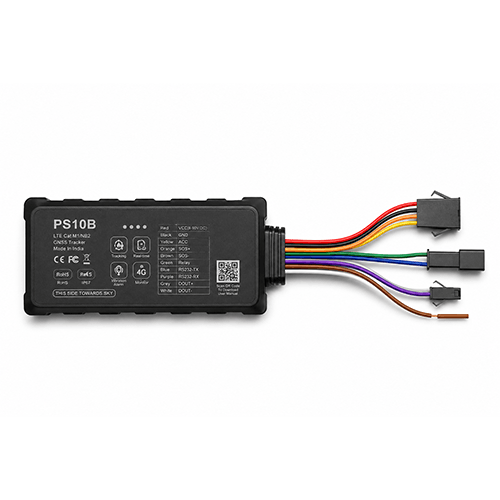
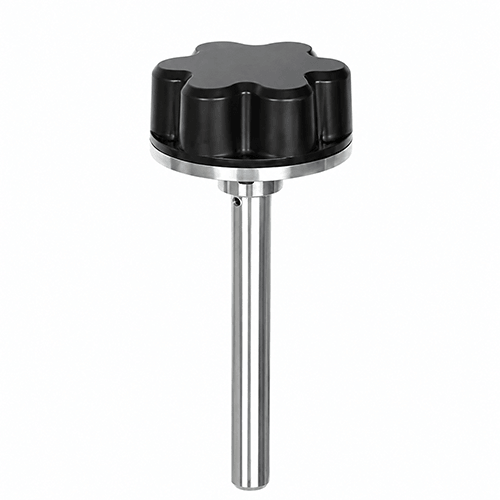
Modern fuel monitoring combines high-precision tank immersion probes or bottom-mounted ultrasonic sensors with a 4G GPS tracking gateway. Sensors read fuel capacitance or acoustic travel time, converting liquid height into liter values based on a pre-calibrated multi-point tank curve.
Data is transmitted every 10–30 seconds to the ADL Moto cloud platform. Intelligent algorithm smoothing filters out sloshing caused by braking or road bumps, ensuring clean graphs that clearly distinguish natural engine burn from rapid siphoning events.