


ADL Moto Viewer
Solution | Safety & Scorecards

Measure risky driving. Coach with data. Cut fleet accidents by 25%.

Live Driver Scoring • Harsh Acceleration & Braking • In-Cab Coaching

Advanced driver behavior telematics for Bangladeshi commercial fleets. Score speeding, sudden braking, sharp cornering, and idle time in real time. Transform unsafe habits into disciplined driving cultures while cutting fuel waste and wear.

Prefer messaging? Request a callback — our Dhaka team responds promptly on business days.

adl moto • driver safety scorecard
RA
Rafiqul Alam (DM-TA-512)
Trip: Dhaka → Gazipur Corridor
94/100 GRADE A
Harsh Brake
0
Zero events
Overspeed
1
>65 km/h limit
Harsh Turn
0
Smooth turns
Idle Time
12m
Normal range
G-SENSOR ACCELEROMETER: CALIBRATED
15,420 KM LOGGED
Driver scoring
Harsh alerts
Weekly coach log
Quick Answer

What is driver behaviour monitoring for commercial fleets in Bangladesh?

Driver behaviour monitoring uses 3-axis accelerometer sensors, GNSS speed calculations, and telematics algorithms to detect harsh acceleration, abrupt braking, rapid cornering, overspeeding, and prolonged idling. It converts raw driving patterns into objective safety scores, enabling constructive coaching and cutting vehicle maintenance expenses.

Measurable Impact

Numbers that prove safety delivers real savings

Objective telematics scoring across 64 districts in Bangladesh — turning reckless driving into predictable fuel and maintenance savings.

15–25%
Accident rate reduction
10–15%
Fuel savings achieved
35%
Brake & tyre wear drop
100%
Automated scorecards
Trusted by leading businesses & fleet operators
Client 1 Client 2 Client 3 Client 4 Client 5 Client 6
Recommended Product

Hardware built for driver behavior telemetry

Our flagship telematics device features a high-precision 6-axis G-sensor and dual GNSS engine to capture every acceleration and deceleration curve with laboratory accuracy.

High-G Telematics Unit GS910 Advanced 4G Telematics Tracker
GS910 Pro • 6-Axis G-Sensor • 9–90V Wide Voltage

GS910 Commercial 4G Fleet Tracker with Driver Behavior Telemetry

The GS910 is engineered for intensive commercial fleet operations. Its ultra-sensitive digital accelerometer measures harsh acceleration, hard braking, sharp turns, crash impact spikes, and engine idling thresholds. Fully integrated with ADL Moto cloud platform for automatic driver score generation.

The Problem

Unmeasured driving habits create silent cost leakages and major crash risks

  • 1 Fleet managers rely on subjective complaints or roadside arguments instead of objective, indisputable driving event records.
  • 2 Aggressive driving, harsh braking, and excessive speeding burn up to 15% extra diesel and prematurely destroy brake pads and tyres.
  • 3 Without structured coaching benchmarks, good drivers feel unrewarded while reckless drivers continue causing preventable collisions.
Commercial Transport Fleet on Highway
Driver Scorecard & Analytics Dashboard
The Solution

Objective safety scoring, automated coaching logs, and driver accountability

Equip vehicles with calibrated 4G telematics sensors and manage safety performance from a single interface. Access real-time event alerts, automated weekly scorecards (0–100), and trip playback with G-force graphs so supervisors coach constructively from facts, not guesswork.

  • Real-time harsh event detection — Instant alarms for harsh braking, sudden acceleration, and fast cornering with configurable thresholds.
  • Automated driver safety scorecards — Standardized ranking (A/B/C/D) based on infractions per 100 km, driving incentive programs.
  • Idle time & speed threshold alerts — Identify excessive stoppage with AC on and enforce corridor speed limits across highway routes.
What You Get

Capabilities that hold up in daily operations

Comprehensive telematics metrics and tools designed for fleet supervisors, safety managers, and dispatch teams.

Harsh Acceleration & Braking

Pinpoint aggressive start-stops that damage engine mounts, wear tyres, and waste fuel on highway and urban runs.

Overspeed Thresholds

Set road-specific speed caps (e.g. 80 km/h on expressways, 40 km/h in city depots) with instant SMS and portal notifications.

Aggressive Cornering

Detect high lateral G-forces during sharp high-speed bends — crucial for roll-over prevention in top-heavy trucks and buses.

Excessive Engine Idling

Monitor ignition ON without movement. Stop unnecessary diesel burn during loading docks, rest stops, and traffic jams.

Automated Driver Scorecards

Generate weekly safety scores (0–100) per driver. Rank team performance and incentivize careful, fuel-efficient operation.

Driver Mobile Safety App

Drivers see their own daily score, trip events, and feedback tips on Android and iOS — fostering self-correction and pride.

Use Cases

Where teams deploy Driver Behaviour Monitoring

Real-world operations — transforming driving culture, safeguarding cargo, and protecting passengers.

Long-Haul Commercial Freight Fleet
01

Logistics & Long-Haul Freight

Enforce route safety on highway corridors. Cut diesel burn caused by aggressive speeding, protect delicate cargo from sudden braking shifts, and establish driver bonus programs based on verifiable trip safety scores.

Intercity Passenger Bus Transport
02

Passenger Coaches & Transit Operators

Deliver smooth, comfortable journeys for passengers. Eliminate harsh jerk motions, sharp highway turns, and risky overtaking manoeuvres that trigger passenger complaints and safety fines.

Corporate Executive Pool Fleet
03

Corporate Car Pools & Executive Drivers

Ensure company staff and executive leadership are driven safely. Identify unauthorized speeding, monitor idle air-conditioner usage during wait times, and preserve vehicle resale value.

School Bus Safety Fleet
04

School Bus Safety & Student Transport

Reassure parents and school administrations with strict driving compliance. Automatic alerts sound the moment a school bus driver exceeds 40 km/h or brakes abruptly near pedestrian crossings.

Heavy Construction Tipper Fleet
05

Construction & Heavy Tipper Operations

Heavy vehicles carry severe mechanical risks under rough operating conditions. Detect excessive revving, clutch slipping, and high-impact driving across rugged quarries and construction terrains.

Last-Mile Courier Delivery Fleet
06

E-Commerce & Last-Mile Delivery Vans

High delivery volumes often push couriers to speed and rush. Behavior telematics enforces calm, defensive driving in crowded residential alleyways, reducing van fender-benders and injury claims.

How driver behavior scoring works

ADL Moto telematics hardware continuously samples 3-axis accelerometer and gyroscope data at 50 Hz (50 samples per second). When acceleration or deceleration forces exceed safety thresholds (e.g., >0.35g for harsh braking), the device logs a timestamped exception event with GPS position, vehicle speed, and G-force magnitude.

At the end of every trip, these events are normalized per 100 kilometres driven and weighted according to severity. The cloud engine calculates an overall safety grade (0–100), eliminating bias and providing transparent feedback for driver appraisals.
Driver Safety Scoring Thresholds & Severity Weights

Standard telemetry benchmarks calibrated for commercial vehicles and road conditions in Bangladesh.

Driving Event Threshold Trigger Mechanical Impact Score Penalty
Harsh Braking > -0.35g deceleration Brake pad glaze, rotor warping, tyre flat spots -5 Points
Harsh Acceleration > +0.30g acceleration Excessive diesel burn, clutch plate wear -3 Points
Harsh Cornering > 0.40g lateral force Tyre shoulder wear, suspension stress, rollover risk -4 Points
Excessive Speeding > 10 km/h over limit for 30s Critical collision probability, legal liability -8 Points

ROI narrative: where fleets recover costs through driver coaching

Fleets in Bangladesh consistently recover their telematics investment across three tangible cost buckets:

  • Fuel conservation: Eliminating aggressive acceleration and excessive highway speeds cuts overall fuel consumption by 10–15%.
  • Maintenance lifespan: Smooth braking and cornering extends tyre tread life by up to 35% and doubles the lifespan of brake pads and discs.
  • Accident prevention: Reduced following distances and early speed checks lower commercial collision rates by 15–25%, avoiding catastrophic vehicle downtime.

Implementation roadmap: from rollout to safety culture

  1. Week 1 — Calibration: Fitment of telematics units; baseline telemetry recorded quietly without penalizing drivers.
  2. Week 2 — Orientation: Driver workshop introducing safety scores, in-cab audio alerts, and monthly incentive rewards.
  3. Week 3–4 — Active scoring: Supervisors conduct weekly 5-minute debriefs using automated leaderboard rankings.
  4. Week 5+ — Sustained culture: Driver of the Month awards announced; noticeable reduction in fuel and maintenance costs.
See it in action

Fleet safety leaderboards and driver scorecards in real time

Fleet managers can inspect individual trip events, compare depot performance, and export monthly safety audit sheets with a single click.

Driver Scorecard Command Center Dashboard
Industries

Where teams deploy Driver Behaviour Monitoring

Logistics & Cargo Freight Passenger Bus Operators Corporate Fleet Pools School Bus Transport Construction & Heavy Tipper Courier & Delivery Vans
ROI & Outcomes

Transform driver discipline into bottom-line profit

Empower your fleet supervisors with clear data. Reward your safest drivers, curb aggressive vehicle abuse, and lower operating overheads.

Cut annual fuel bills by 10–15% by eliminating harsh speed bursts and off-route idling.
Extend brake pad and tyre life by 35% through standardized defensive braking thresholds.
Reduce road accident risks by 15–25% using instant in-cab audio alerts for overspeeding.
Eliminate subjective management disputes by referencing transparent, objective trip scoring logs.
Boost driver retention with data-backed monthly safety bonuses and public team recognition.
Protect your brand from reckless driving viral videos, police citations, and public scrutiny.
How It Works

From install to insight

1

Install & calibrate

Mount device with 6-axis G-sensor; calibrate level horizontal plane.

2

Stream driving telemetry

Events stream in real-time over 4G; in-cab alerts warn the driver.

3

Score & coach

Access automated driver scorecards, rankings, and coaching reports.

A telematics device is fitted and calibrated by our certified technician (takes 45–60 mins per vehicle). Driving data and automated scoring start compiling in your ADL Moto command portal immediately.
Hardware

Devices that power this solution

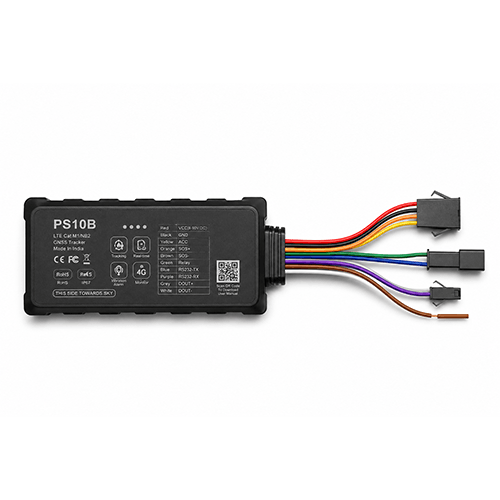
Wired GPS Tracker

GS910 Advanced Tracker

Hardwired tracker with calibrated 6-axis accelerometer and remote engine cut-off.

View specs →
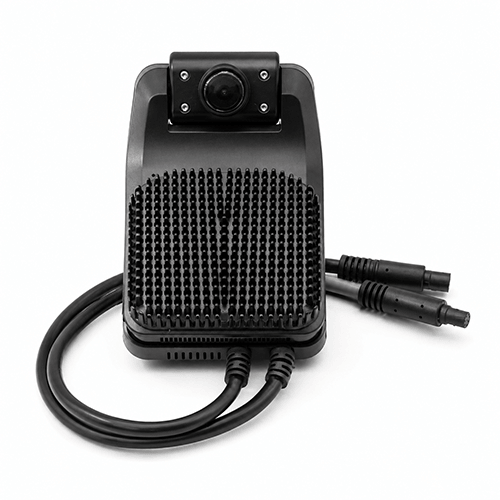
AI Fleet Dashcam

T98 Dual AI Dashcam

Dual-lens camera pairing G-sensor telemetry with cabin DMS driver fatigue alerts.

View specs →
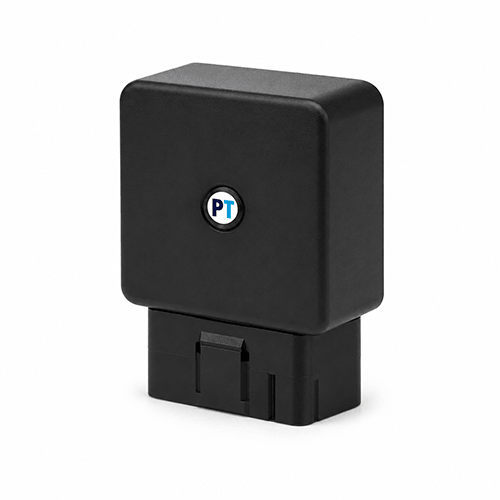
OBD-II Tracker

Plug-and-Play OBD-II

Quick install OBD tracker with vehicle CAN-bus RPM, throttle, and brake telemetry.

View specs →
FAQ

Questions, answered

The telematics unit contains an internal 3-axis accelerometer and gyroscope. It continuously measures gravitational G-forces across forward-backward, lateral, and vertical axes. When forces exceed safe thresholds during acceleration, braking, or cornering, an event is instantly flagged.
Every driver starts with a perfect score of 100 points. Penalties are deducted based on weighted infractions per 100 km driven (e.g. speeding, harsh brake, harsh acceleration, idle time). Drivers who operate smoothly and obey corridor limits maintain Grade A status.
Yes. An optional in-cab buzzer or voice audio alert can be configured to beep or notify the driver the moment they exceed the speed limit or brake too harshly, encouraging instant self-correction on the road.
Yes, absolutely. A passenger sedan naturally handles different G-forces than a 10-wheel heavy cargo truck or cement mixer. Threshold sensitivity can be fine-tuned per vehicle category or operational fleet profile.
Rapid acceleration consumes significantly more fuel per second than steady throttle cruising. Furthermore, monitoring and limiting idle stoppage time (where engines burn 1–2 litres of diesel per hour) yields immediate monthly savings.
Yes. The portal offers automated Excel and PDF export capabilities with weekly or monthly summaries, individual driver ranking tables, and trend progression charts.
Installation requires 45–60 minutes per vehicle. Our certified technicians secure the unit, level the internal accelerometer, and conduct a short test drive to verify calibration accuracy across all 64 districts in Bangladesh.
Implementation Readiness

Timeline, SLA & Integration Playbook

Implementation timeline baseline

Discovery, G-sensor pilot calibration, driver scoring benchmark window, and systematic fleet rollout.

Support SLA assumptions

Incident triage with dedicated Dhaka engineering support and nationwide on-ground sensor calibration.

ROI model assumptions

Payback calculated against diesel conservation, extended tyre wear, and reduced crash liabilities.

Integration playbook

REST API & cloud webhooks to connect driver safety scores directly into payroll and HR management systems.

Sources & Compliance Context

All driver behavior monitoring hardware, accelerometers, and wireless telematics operate in compliance with Bangladesh Telecommunication Regulatory Commission (BTRC) standards and BRTA motor vehicle safety guidelines.

Written by: ADL Moto Telematics Safety Team
Reviewed by: Head of Fleet Optimization Solutions
Last verified: 2026
Next Step

Ready to see Driver Behaviour Monitoring on your fleet?

Book a live demonstration tailored to your vehicles, routes, and risk requirements. Our specialists respond fast — usually within business hours.